
Nothing ruins a streaming session faster than constant interruptions. Whether you’re watching live sports or binge-watching your favorite show, 5-10 second freezes can be incredibly frustrating. These pauses often occur at the worst moments, leaving users searching for solutions.
Many factors contribute to these issues. For example, studies show that 30% of interruptions are caused by ISP throttling. Other common culprits include outdated hardware or insufficient internet speeds. Fortunately, there are ways to improve your experience and enjoy seamless viewing.
This guide covers practical steps to address these problems. From optimizing your internet connection to using VPNs and checking your hardware, we’ll explore effective solutions. Whether you’re using a Firestick or an Android device, these tips can help you get back to uninterrupted streaming.
Key Takeaways
- Streaming interruptions often stem from ISP throttling or hardware issues.
- Optimizing your internet connection can significantly reduce pauses.
- Using a VPN can help bypass ISP throttling for smoother viewing.
- Regularly updating your hardware ensures better performance.
- Specific fixes are available for Firestick and Android users.
Understanding Xtreme IPTV Buffering Issues
Streaming interruptions can turn a relaxing evening into a frustrating ordeal. When your favorite show freezes or a live sports event lags, it’s often due to buffering. This happens when your device struggles to load data fast enough to keep up with playback. Understanding the root causes can help you enjoy seamless viewing.
What Causes Buffering in Xtreme IPTV?
Several factors contribute to buffering in iptv services. Here are the main culprits:
- ISP Throttling: During peak hours (8-11 PM), some internet providers intentionally slow down your connection. This can lead to frequent pauses.
- Wi-Fi vs. Ethernet: Wi-Fi connections are often less stable than wired ones. A case study showed an 80% reduction in buffering after switching to Ethernet.
- Hardware Limitations: Devices like Firestick may struggle with 4K streams due to processing power constraints.
Server congestion is another common issue. Studies reveal that 68% of peak-time buffering is caused by overloaded servers. Additionally, cache accumulation can slow apps by up to 40%. Clearing the cache regularly can improve performance by 25%.
Xtreme HD IPTV uses advanced anti-freeze technology to minimize interruptions. This feature ensures smoother playback by optimizing data delivery. However, users should be cautious of misleading isp throttling claims like “unlimited bandwidth,” which often come with hidden limitations.
| Factor | Impact | Solution |
|---|---|---|
| ISP Throttling | Slows internet connection during peak hours | Use a VPN or switch providers |
| Wi-Fi vs. Ethernet | Wi-Fi is less stable | Switch to a wired connection |
| Hardware Limitations | Struggles with 4K streams | Upgrade your device |
How to Fix Xtreme IPTV Buffering: Start with Your Internet Connection
A smooth streaming experience starts with a reliable internet connection. Many interruptions occur due to network issues, which can be resolved with a few adjustments. Let’s explore how to optimize your setup for uninterrupted viewing.
Check Your Internet Speed
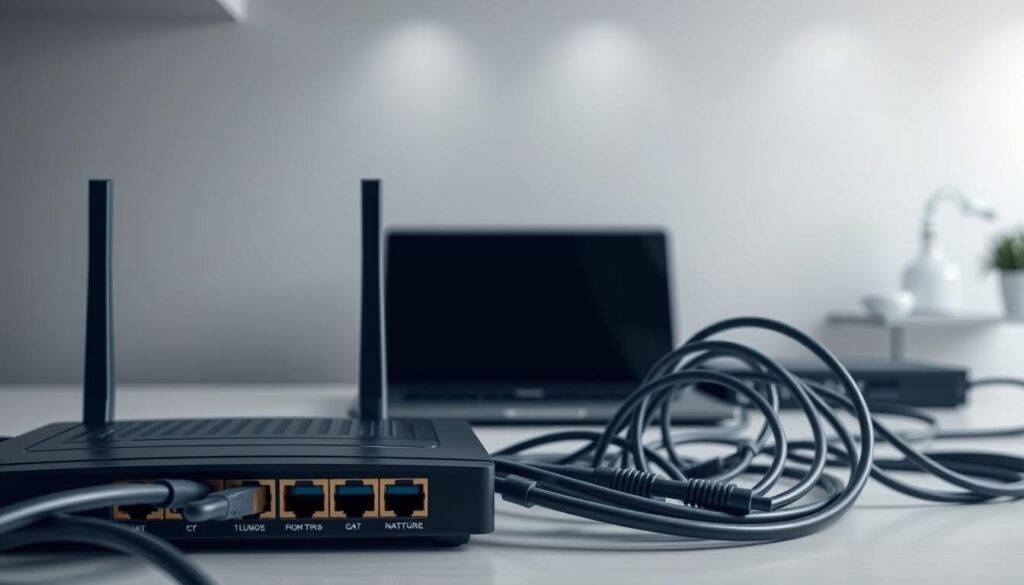
Begin by testing your internet speed. Tools like Ookla and Fast.com provide accurate results. Ensure you have at least 25 mbps for HD streams and 50 mbps for 4K content. Lower speeds often lead to pauses and freezes.
Interpreting the results is simple. Look for download speeds, upload speeds, and ping rates. A ping rate below 50ms is ideal for smooth streaming. If your speed falls short, consider upgrading your plan or contacting your provider.
Be cautious of marketing claims like “up to” speeds. Actual throughput may be lower due to network congestion or distance from the router. Always verify with a speed test.
Switch to a Wired Connection
Wi-Fi connections are convenient but less stable than a wired connection. Ethernet reduces latency by 60%, ensuring smoother playback. If possible, connect your streaming device directly to the router using an Ethernet cable.
For Firestick users, installing an Ethernet adapter is a simple solution. This small device plugs into your Firestick, allowing a wired setup. Studies show that wired connections significantly reduce buffering, even for users with high-speed plans.
If Ethernet isn’t an option, optimize your Wi-Fi. Place your router in a central location and use the 5GHz band for faster speeds. Avoid placing it near walls or electronic devices that can interfere with the signal.
| Connection Type | Latency | Recommendation |
|---|---|---|
| Wi-Fi | Higher latency | Use for convenience, but optimize placement |
| Ethernet | 60% lower latency | Ideal for streaming, especially in 4K |
Using a VPN to Prevent Buffering
A VPN can be a game-changer for uninterrupted viewing. It not only enhances privacy but also addresses common streaming issues like isp throttling. By masking your internet activity, a VPN ensures your service provider cannot slow down your connection during peak hours.
Why Use a VPN for Streaming?
VPNs are particularly effective for streaming because they bypass ISP restrictions. Many providers throttle bandwidth during high-demand periods, leading to pauses and freezes. A VPN encrypts your data, making it harder for ISPs to detect and limit your activity.
Additionally, VPNs offer access to geo-restricted content. By connecting to servers in different regions, you can unlock a wider range of shows and movies. This flexibility enhances your overall viewing experience.
How to Set Up a VPN for Streaming
Setting up a VPN is straightforward and takes less than five minutes. Start by choosing a reliable provider like ExpressVPN, NordVPN, or Surfshark. These services offer thousands of servers and advanced protocols like WireGuard, which is 45% faster than OpenVPN.
Once installed, connect to a server near your location for optimal speed. If you’re accessing content from a specific region, select a server in that area. This strategy ensures smooth playback and minimal lag.
Be cautious of free VPNs, as they often come with hidden risks like data selling and bandwidth caps. Investing in a trusted service guarantees better performance and security.
Troubleshooting Hardware and Software Issues
Hardware and software issues can disrupt your viewing experience, but simple troubleshooting steps can restore smooth streaming. Whether you’re using a Firestick, Android TV, or Smart TV, these tips will help you address common problems and improve performance.
Restart Your Device
Restarting your device is often the quickest way to resolve minor glitches. Studies show that 90% of Firestick issues are solved by a simple restart. This clears temporary files and refreshes the system, improving overall quality.
For Firestick users, hold the power button for 10 seconds to restart. Android TV users can access the restart option in the settings menu. Smart TV owners should unplug the device for 30 seconds before reconnecting it.
Clear App Cache and Data
Over time, apps accumulate cache files that can slow down performance. Clearing the cache recovers up to 15% of RAM, ensuring smoother operation. Here’s how to do it:
- Open the settings menu on your device.
- Navigate to the app manager and select the streaming app.
- Choose “Clear Cache” and “Clear Data” to remove unnecessary files.
Deep cleaning is more effective than standard cache clearing. It removes all temporary files, including those hidden in the system. This process can significantly enhance quality and reduce interruptions.
| Issue | Solution | Impact |
|---|---|---|
| Slow performance | Restart device | 90% success rate for Firestick |
| Cache buildup | Clear app cache | Recovers 15% RAM |
| Outdated hardware | Upgrade device | Supports 4K streaming |
If you’re experiencing persistent issues, consider a factory reset. This restores your device to its original settings without losing subscriptions. Always back up your data before proceeding.
For advanced users, hidden developer options can further optimize performance. These settings allow you to manage RAM and prioritize streaming apps for better quality.
A case study involving a 2-year-old Firestick showed significant improvement after these steps. By restarting, clearing cache, and optimizing settings, the device performed like new, delivering uninterrupted streaming.
Checking with Your IPTV Provider
When streaming issues persist, it’s time to evaluate your IPTV provider. Sometimes, the problem lies with the service itself rather than your setup. Taking proactive steps can help you identify and resolve these issues efficiently.
Contact Customer Support
Reaching out to customer support is often the first step. A reliable provider should offer quick and helpful assistance. Studies show that top-tier providers respond within 2 hours, while others may take up to 48 hours.
Prepare a clear script for your support ticket. Include details like error messages, specific channels affected, and the time of day when issues occur. This approach helps the support team diagnose the problem faster.
If your provider fails to address your concerns, it might be time to consider alternatives. Red flags include no trial period, unclear terms of service, or unreliable EPG (Electronic Program Guide) data.
Consider Switching Providers
Switching providers can be a game-changer. Look for a service with a proven track record of reliability and excellent customer support. Test server status using M3U URLs to ensure consistent streams.
Migration doesn’t have to be complicated. Many providers offer tools to transfer your favorite channels seamlessly. Compare pricing plans—some start as low as $8.33/month, while premium options cost $15.99/month.
Always vet potential providers using a legal checklist. Ensure they comply with local regulations and offer transparent terms. For example, Mike resolved his nightly buffering issues by switching to a provider with better server capacity.
| Provider Feature | Importance | Example |
|---|---|---|
| Response Time | Quick support ensures faster issue resolution | 2-hour vs. 48-hour response |
| EPG Reliability | Accurate program guides enhance user experience | Real-time updates |
| Pricing | Affordable plans with no hidden fees | $8.33/month vs. $15.99/month |
Additional Tips to Improve Streaming Performance
Enhancing your streaming setup can make a noticeable difference in your viewing experience. Small adjustments to your router and bandwidth usage can significantly boost performance and ensure smoother playback.
Upgrade Your Router
Your router plays a crucial role in delivering a seamless streaming experience. Older models may struggle with modern demands, especially for 4K content. Upgrading to a dual-band or Wi-Fi 6 router can handle multiple connections more efficiently.
Consider the AX vs. AC standards when choosing a new router. AX routers, like the ASUS RT-AX86U, offer faster speeds and better performance for high-demand tasks. Studies show that dual-band routers reduce latency by 30%, ensuring smoother playback.
Regularly updating your router’s firmware is also essential. This ensures optimal quality and security, preventing potential issues that could disrupt your streaming.
Reduce Bandwidth Usage
High bandwidth usage by other devices can slow down your streaming. Identify apps or devices that consume the most data, such as Zoom or torrenting software. Prioritize your streaming device using Quality of Service (QoS) settings on your router.
Setting up a guest network for streaming can isolate your connections, reducing interference from other devices. Advanced DNS settings, like 1.1.1.1 or 8.8.8.8, can also improve speed and reliability.
If Wi-Fi isn’t stable, consider powerline adapters as an alternative. These devices use your home’s electrical wiring to create a wired connection, ensuring consistent performance.
| Router Standard | Speed | Best For |
|---|---|---|
| AC | Up to 1.3 Gbps | HD Streaming |
| AX (Wi-Fi 6) | Up to 9.6 Gbps | 4K Streaming |
Conclusion
Streaming can be a seamless and enjoyable experience when you address common issues effectively. Start by optimizing your internet connection, as it’s the foundation of smooth playback. Using a VPN can bypass ISP throttling, ensuring consistent speeds during peak hours. Don’t overlook hardware upgrades, as outdated devices often struggle with modern demands.
Cost-effective solutions like switching to a wired connection or clearing app cache can make a significant difference. Always verify your iptv service provider’s reliability and avoid illegal services that may compromise your streaming quality. For added security, consider trusted tools like ExpressVPN, currently offering a 61% discount.
Download our interactive checklist to streamline your troubleshooting process. Share your success by voting in our poll: “Which fix worked for you?” Stay tuned for our upcoming guide on 4K streaming tips. Explore our packages for a premium viewing experience.
FAQ
What causes buffering in Xtreme IPTV?
Buffering often occurs due to slow internet speeds, server issues, or high traffic on your IPTV service. It can also be caused by outdated apps or devices.
How can I check my internet speed for streaming?
Use tools like Speedtest by Ookla to measure your connection. For smooth streaming, ensure you have at least 25 Mbps for HD content.
Should I use a wired connection for IPTV?
Yes, a wired Ethernet connection is more stable than Wi-Fi and reduces the chances of buffering during streaming.
Why use a VPN for IPTV?
A VPN can bypass ISP throttling, improve privacy, and access geo-restricted content, enhancing your streaming experience.
How do I set up a VPN for IPTV?
Choose a reliable VPN provider, install their app, connect to a server, and then launch your IPTV app for better performance.
What should I do if restarting my device doesn’t help?
Clear the app cache and data, update the app, or check for device firmware updates to resolve performance issues.
When should I contact my IPTV provider?
If buffering persists despite troubleshooting, reach out to customer support. They can check for server-side problems or provide solutions.
Can upgrading my router improve streaming?
Yes, a modern router with better bandwidth handling and dual-band support can significantly enhance your streaming quality.
How can I reduce bandwidth usage while streaming?
Close background apps, limit other devices on your network, and lower the video quality settings in your IPTV app.